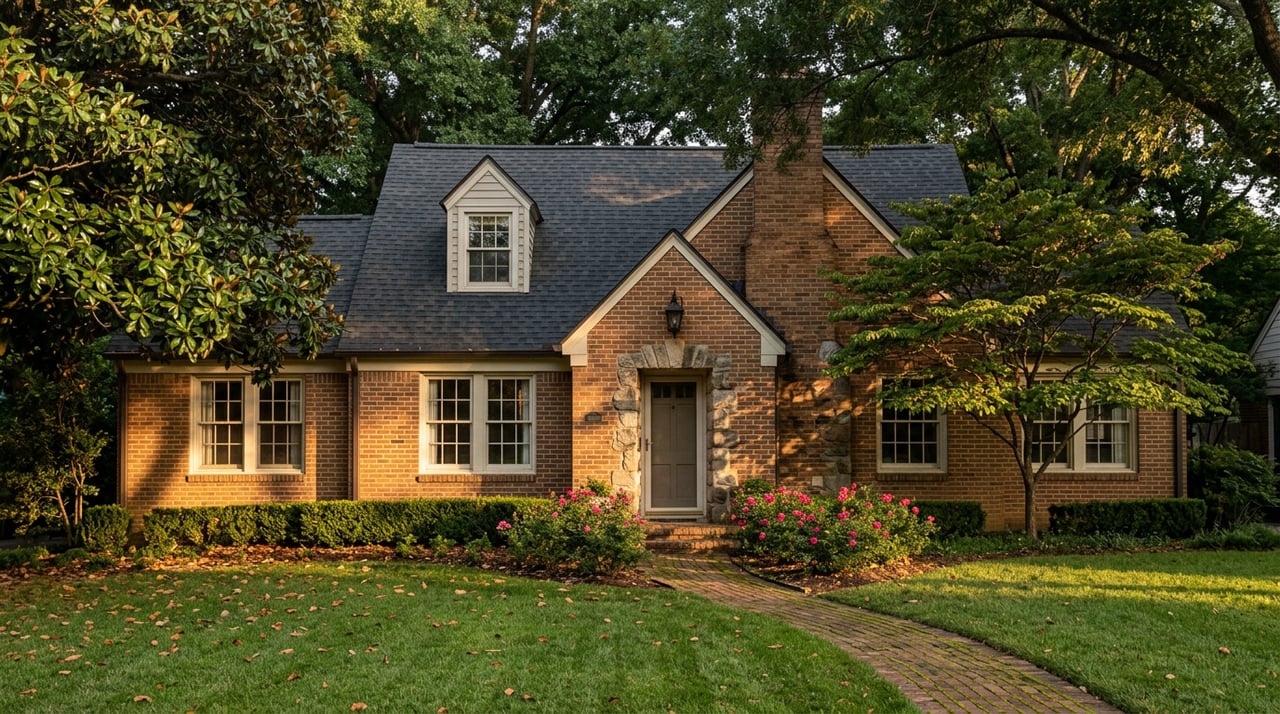
In February 2026, Maple Ridge Historic District homes sold for a median of $655,000, up 17 percent from a year earlier. Around that same point in 2026, on the exact same city block map most portals label "Midtown Tulsa," other sources were reporting a median anywhere from $565,000 to $650,000, with one trailing-twelve-month read showing prices down 2 to 7 percent year over year.
Both numbers are accurate. Neither one is lying to you. They are just measuring two different things wearing the same name.
If you have been comparing Midtown listings by median price alone, this is the gap worth understanding before you fall for a number that describes a boundary far larger and far more varied than the block you actually want to live on.
What "Midtown" Actually Draws on the Map
Midtown isn't a subdivision or a zip code. It's a civic and real estate shorthand for the older residential core south of downtown Tulsa, running roughly from downtown to 51st Street, and from the Arkansas River to Harvard Avenue. Zillow's own search tool currently returns more than 600 homes for sale under that single label, which tells you how much ground the word is covering.
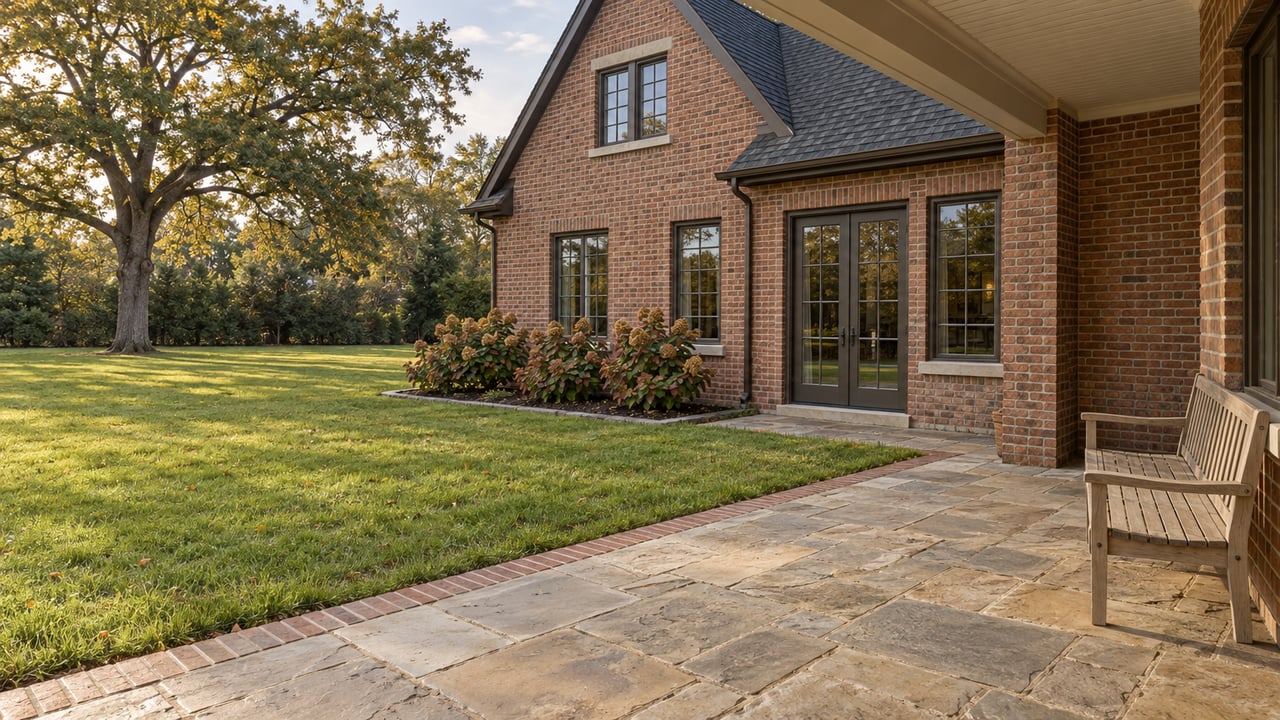
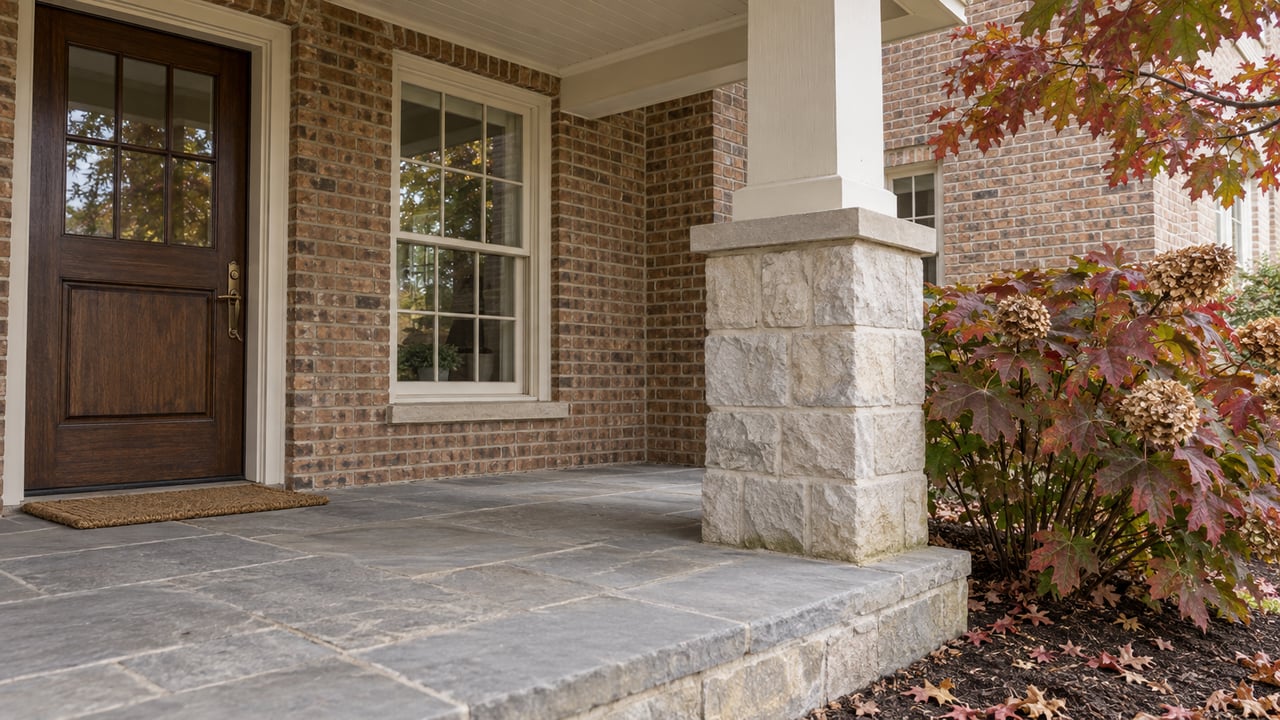
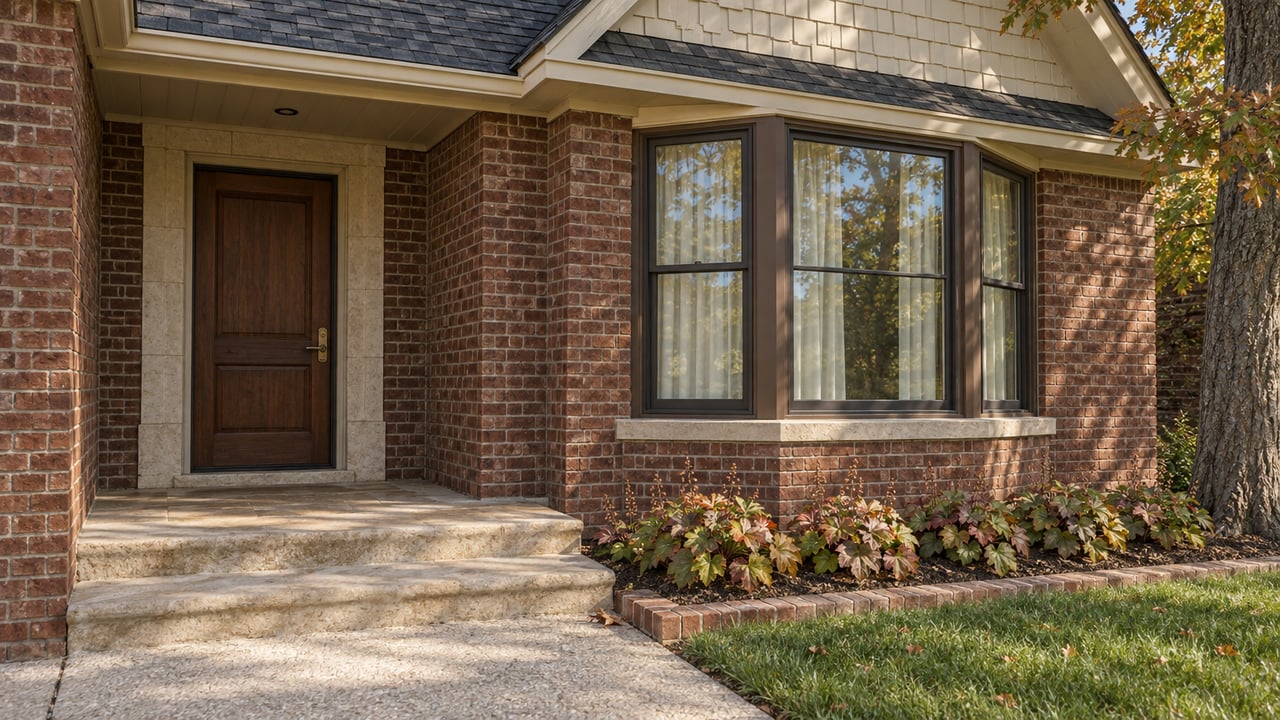
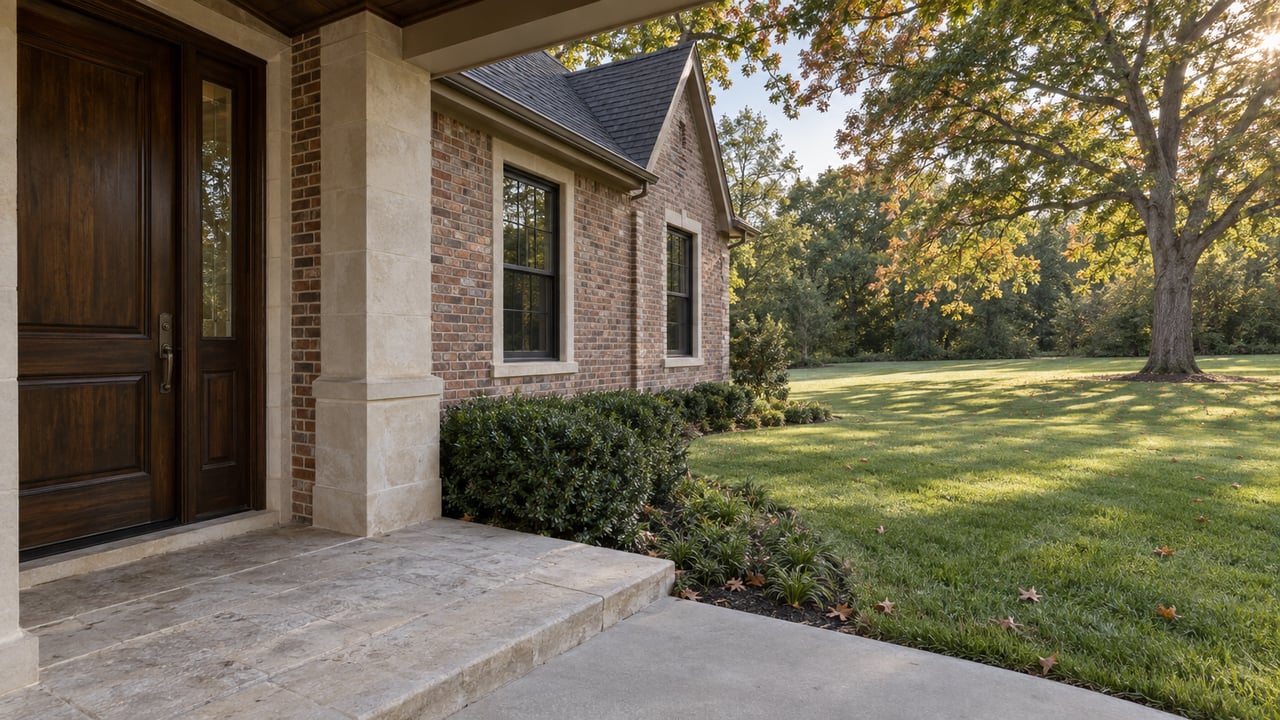
Inside that boundary sit at least a half dozen named neighborhoods with their own histories, housing stock, and price behavior. Maple Ridge was platted in 1907 and today holds roughly 3,000 homes, many listed on the National Register of Historic Places, inside a protected historic overlay district between 21st and 15th Streets, Peoria and Cincinnati. Sunset Terrace, just south of Maple Ridge, is full of 1920s and 1930s mansions connected to Brookside by Woodward Boulevard. Terwilleger Heights sits south and west of Utica Square, bordering the Philbrook Museum of Art and Woodward Park, with roughly two-thirds of its homes built before 1939. Closer to the Cherry Street shops on 15th Street, and in the Renaissance neighborhood near the University of Tulsa, the housing stock shifts toward craftsman bungalows and 1920s duplexes built for a very different budget.
One label. At least four distinct housing markets living under it.
The Price Spread, Neighborhood by Neighborhood
| Named area inside Midtown | What's actually there | Recent price signal |
|---|---|---|
| Maple Ridge Historic District | 1907-platted district, ~3,000 homes, National Register overlay | Median $655K-$667K in Feb-March 2026, up 16-17% year over year |
| Sunset Terrace | 1920s-1930s mansions linking Maple Ridge to Brookside | Individual renovated sales have closed above $1.3 million |
| Terwilleger Heights | 1920s-1930s homes bordering Philbrook Museum and Woodward Park | Among the oldest, most architecturally protected stock in the boundary |
| Cherry Street corridor / Renaissance | Craftsman bungalows and 1920s duplexes near 15th Street's shops | Entry-level pricing well below the area's blended median |
| "Midtown" as a whole | The full umbrella from downtown to 51st, river to Harvard | Reported median ranging from about $565K to $650K depending on source and window, mid-2026 |
The range on the bottom row isn't sloppy reporting. It's what happens when you combine sales from a starter bungalow market and a seven-figure estate market into one median.
Why a Median Can Fall While a Named Slice of It Climbs 17 Percent
This is the part that trips people up, and it's not a data error, it's arithmetic. When you fold a small, tightly bounded, high-demand historic district like Maple Ridge into a boundary ten times its size, the overall median doesn't just reflect Maple Ridge. It reflects whatever mix of entry-level bungalows, mid-century ranches, and estate sales happened to close that particular month across a much wider footprint.
If more lower-priced homes near Cherry Street or in Renaissance sell in a given quarter, the blended Midtown median can hold flat or even dip, even while Maple Ridge itself is posting back-to-back double-digit gains. Both trends are real. They're just not measuring the same market, no matter how similar the label looks on a listing site.
This is worth sitting with if you're using a portal's "Midtown Tulsa" filter to gauge whether now is a good time to buy in a specific neighborhood. The headline number on that search page is a blended median. It will tell you almost nothing about what a specific block in Maple Ridge, Sunset Terrace, or the Cherry Street bungalow streets is actually doing.
What This Means When You're Comparing Two Listings
If you're cross-shopping homes that both show up under "Midtown," ask three questions before you compare their prices as if they're apples to apples.
- Which named sub-neighborhood is the home actually in? Maple Ridge, Sunset Terrace, Terwilleger Heights, Renaissance, and the Cherry Street corridor all carry different price trajectories, even though a portal search will lump them together.
- What decade was it built? Homes in Maple Ridge and Terwilleger Heights mostly predate 1940. Foundation condition, plumbing age, and electrical capacity vary widely even within the same historic district, and that shows up in negotiation more than it shows up in the listing price.
- Does the home sit inside a protected historic overlay? That boundary can be a meaningful planning detail if you're picturing a new porch, an addition, or different windows once you move in.
None of this means one part of Midtown is a better buy than another. It means the word "Midtown" on its own isn't specific enough to plan a search around, and the median price attached to it isn't specific enough to plan an offer around either.
A Practical Way to Read the Number Next Time
The next time you see a "Midtown Tulsa median price" headline, treat it the way you'd treat a weather report for an entire state. It's not wrong, it's just not granular enough to tell you whether to bring an umbrella to your specific block. Ask which named neighborhood the number is actually describing, what window of time it covers, and whether it's a point-in-time snapshot or a trailing twelve-month average. Those three questions will tell you more than the headline figure ever will.
A Few Quick Questions
Is "Midtown" an official zip code or postal boundary? No. It's a real estate and civic shorthand. The closest overlapping zip code is 74104, which market data providers use as a rough stand-in when they report Midtown pricing by zip.
If I search by "Midtown" on a listing site, what should I filter by instead? Search by the named sub-neighborhood, Maple Ridge, Sunset Terrace, Terwilleger Heights, Renaissance, or the Cherry Street corridor, and pair that with proximity to whichever commercial strip matters to your daily life, since Cherry Street, Brookside's Peoria corridor, and Utica Square each pull different price behavior toward them.
Can a home's location in Midtown matter when comparing older homes? Yes. A home's location relative to Maple Ridge's overlay boundary can be a meaningful planning detail.
If you're trying to figure out which pocket of Midtown actually fits your budget and your plans, that's a conversation worth having before you fall in love with a listing based on a median that was never describing your block in the first place. Mary Lou Doudican has spent more than a decade working these specific streets and can walk you through what each sub-neighborhood is really doing right now. Let's Connect.
This article is general information, not legal, tax or financial advice. Consult a qualified professional about your situation.