Check three different sites for the same Forest Hills-Wildwood trailing-twelve-month median sale price this year and you'll get three different answers, all confidently labeled "median," all covering roughly the same stretch of closings. One calculation lands at $1,002,000, up 18 percent from the year before. Another puts it at $1,162,500, up 38 percent. A third says $1,225,000, up 40 percent. A fourth site skips the median entirely and reports an average of $1,098,789, up a comparatively modest 8 percent.
None of these numbers are wrong. They're just describing a neighborhood too small to produce a stable trend line, which is a different problem than the one most people assume they're looking at when they see a price jump like that.
Four Numbers, One Trailing Year
Here's what those checks looked like when pulled within weeks of each other earlier this year, all covering the same rough trailing-twelve-month window in Forest Hills-Wildwood:
| What It Measured | Reported Figure | Change vs. Prior Year |
|---|---|---|
| Median sale price | $1,002,000 | +18% |
| Median sale price | $1,162,500 | +38% |
| Median sale price | $1,225,000 | +40% |
| Average sale price | $1,098,789 | +8% |
A neighborhood that behaves like a normal market doesn't produce this much daylight between calculations of the same statistic over the same period. A neighborhood with a very small number of closings does, because every individual sale carries outsized weight in the math.
Why Five Houses Can Set a Trend
Forest Hills-Wildwood sits just under a square mile, three miles southeast of downtown Tulsa, and its residential streets take up an even smaller slice of that. Lots run from a quarter acre to a full acre, which means the neighborhood simply contains fewer houses to begin with than a same-sized stretch of newer subdivision.
Active inventory has thinned further this year. One tracking service showed the number of homes for sale down roughly 57 percent compared to the same point last year, to about five active listings as of this summer. When a neighborhood has five houses on the market and a handful closing in a given month, one $2 million estate sale can pull the median up by six figures. One smaller Monterey-style remodel closing the same month can pull it right back down. The "trend" isn't measuring buyer demand shifting. It's measuring which five or six houses happened to sell.
This is the part worth sitting with before you anchor a purchase or a listing price to any single number you find online for this neighborhood: the sample size is the story, not the percentage.
The Tell Underneath the Median
Here's where the median gets genuinely misleading rather than just noisy. If Forest Hills prices were actually up 40 percent because buyers were competing harder for the same kind of house, you'd expect homes to sell faster and closer to asking price. That's not what the rest of the data shows.
Days on market in one tracking service climbed from 66 days a year ago to 112 days this summer for the same neighborhood. Over the same recent stretch, homes were selling for roughly 7 percent under asking price, barely different from the 8 percent discount recorded three years earlier. Slower sales and below-ask closings aren't the fingerprint of a neighborhood getting more expensive. They're the fingerprint of a neighborhood where the mix of what happened to sell shifted toward pricier homes, while the demand for any individual house stayed about where it's been.
For comparison, citywide Tulsa's median sale price sat at $225,000 in March 2026, with homes selling at about 97 percent of asking price and roughly 2.7 months of supply on the ground. Forest Hills isn't just a different price point than the rest of Tulsa. It's a different kind of market, thin enough that the usual shorthand for reading a housing market doesn't transfer cleanly.
What's Actually On the Ground
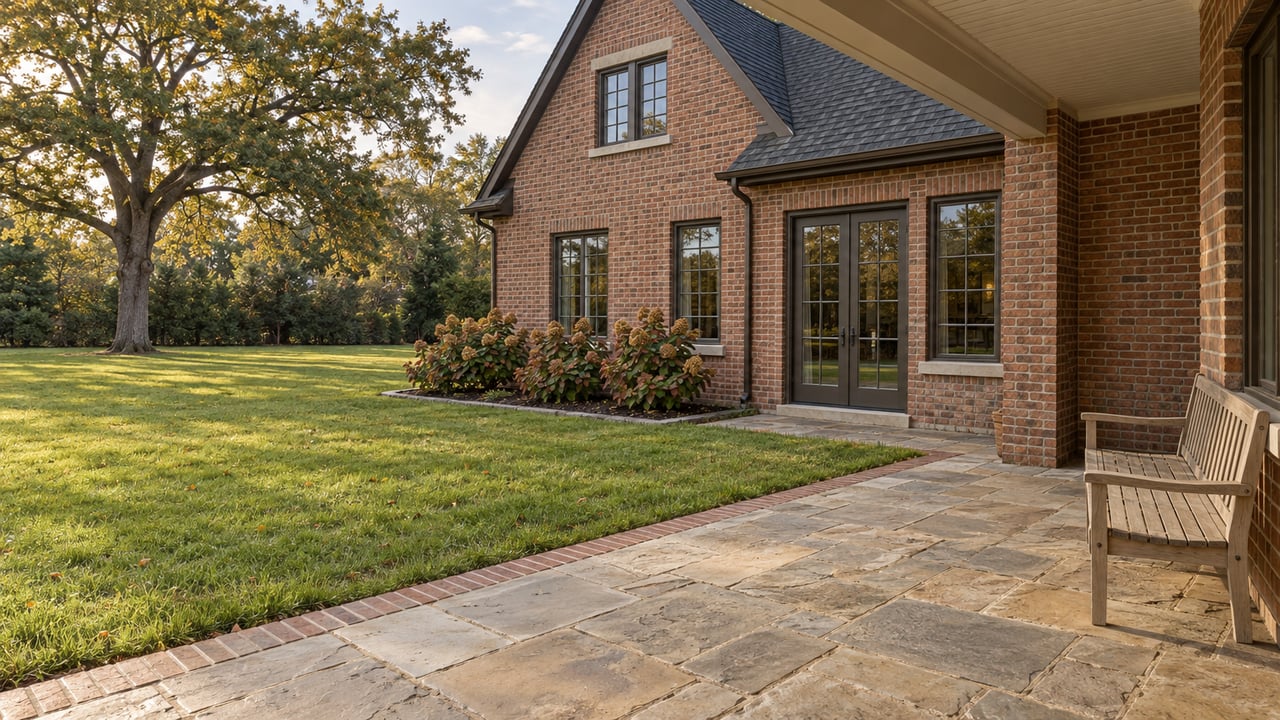
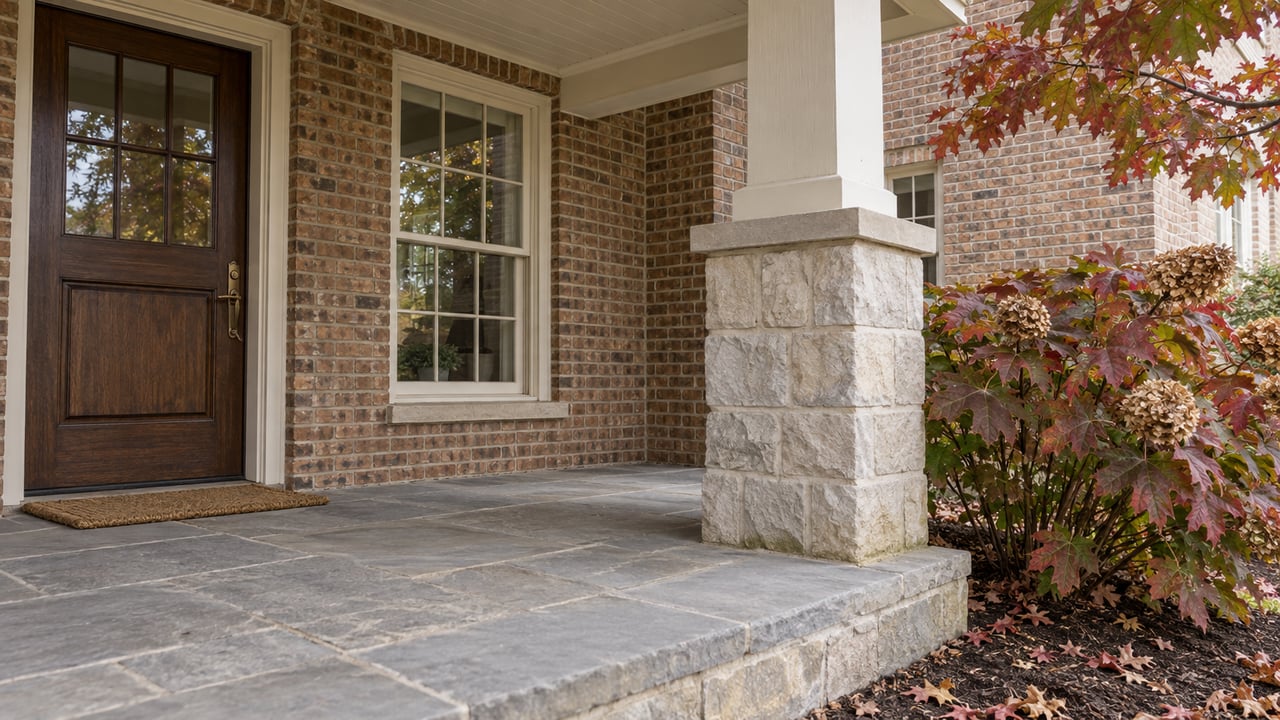
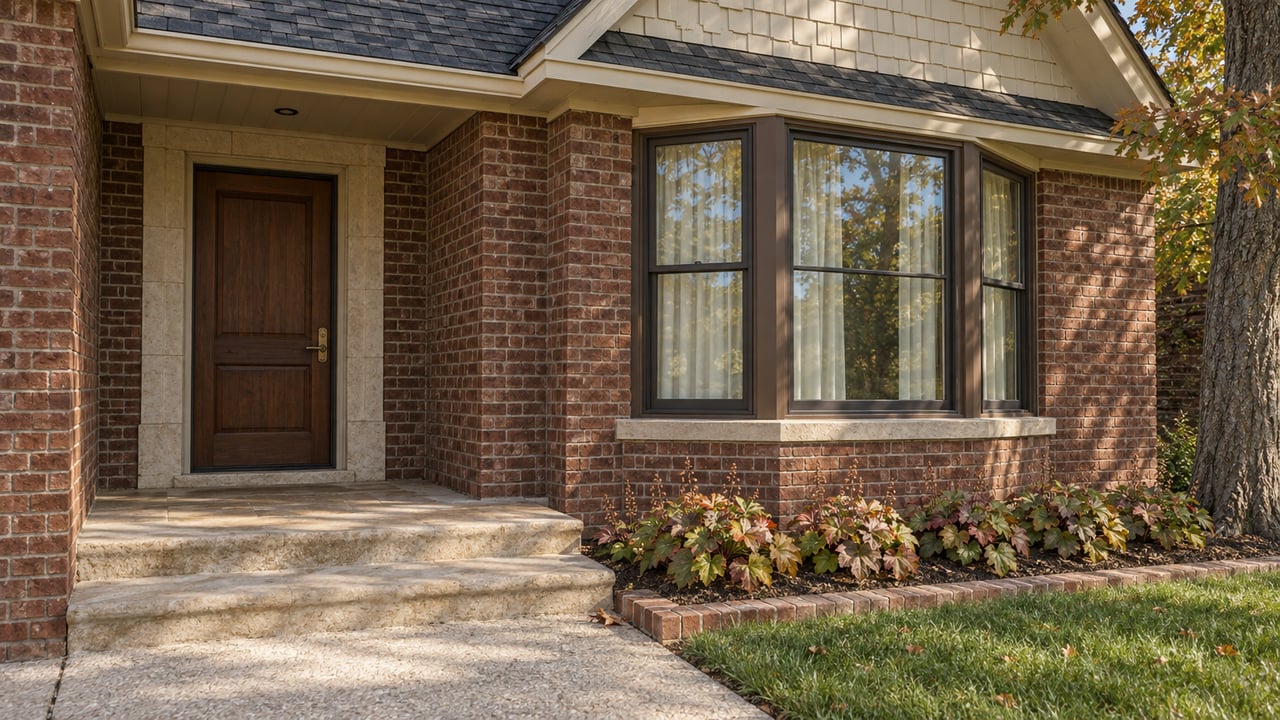
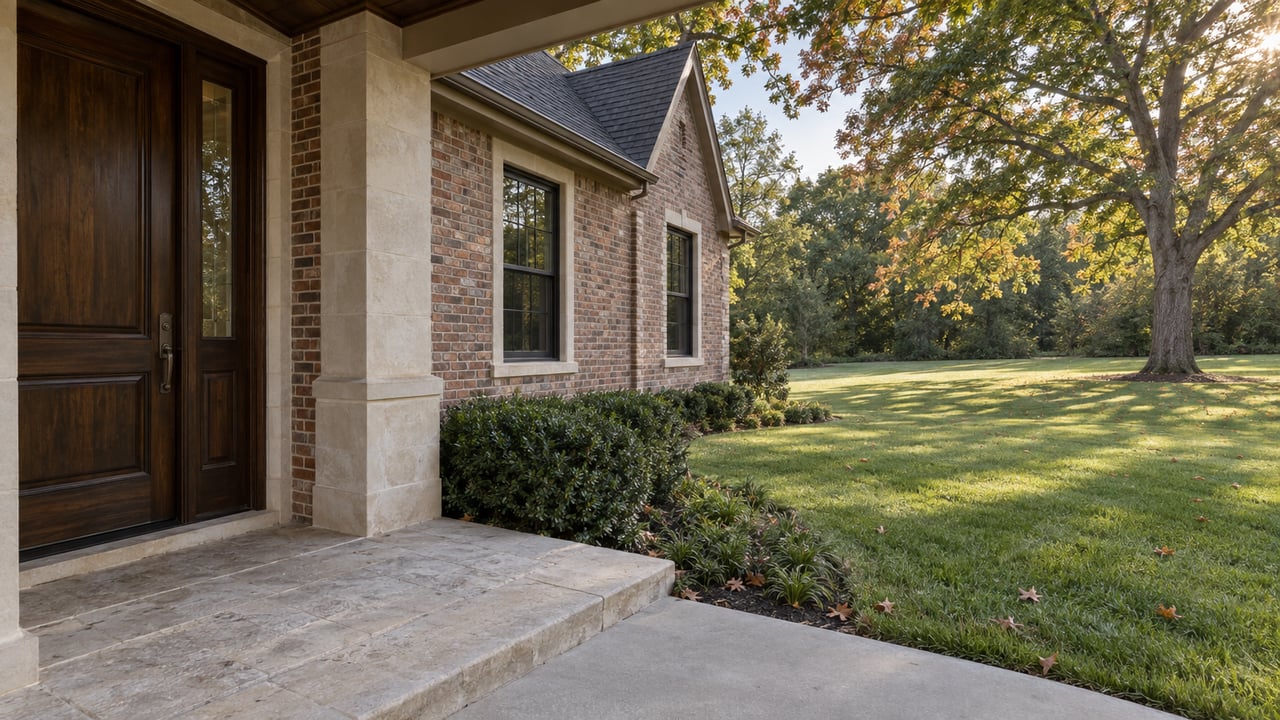
Numbers aside, Forest Hills earns its reputation honestly. The neighborhood is known for 1930s Colonial Revival homes alongside a scattering of rarer 1950s Monterey-style houses, with extended front stoops, pergolas, raised back decks, built-in pools, basketball courts, and garages sized for more than the average midtown lot.
This past May offered a close look at what that architecture can become with real investment. The 2026 Tulsa Designer Showcase opened its doors at 2840 S. Victor Avenue, a 9,000-plus square foot Monterey Colonial on a one-acre corner lot originally designed by Mary Caroline Cole, Oklahoma's first licensed female architect, for homeowner Mary Hughes. More than 20 local designers reworked the six-bedroom, eight-bathroom home for the showcase, expanding the kitchen, reimagining the garage apartment, and restoring a koi pond and gazebo in back, all while keeping the original club room where a rolled-back green carpet once turned a formal space into a teenage dance floor. It's the kind of house that, on its own, could move a trailing-twelve-month median by tens of thousands of dollars the month it closes.
Everyday life in the neighborhood runs at a smaller scale. Queenies draws a lunch crowd for chorizo breakfast tacos and a dessert case built around black magic chocolate layer cake and lemon squares. Wild Fork covers everything from breakfast platters to Szechuan stir fry. Bar Serra handles the evening cocktail crowd. Utica Square, bordering the neighborhood's north side, has anchored the area with more than 40 stores since it opened in 1952. Woodward Park and Gardens gives residents tree-shaded trails within an easy walk. None of that shows up in a median calculation, but it's a large part of why buyers keep competing for a limited number of houses here in the first place.
Pricing With Your Eyes Open
If you're buying in Forest Hills, the headline median is close to useless for setting an offer. With so few closings to draw from, you're better served comparing your target house against the two or three most similar recent sales, same architectural era, similar lot size, similar renovation level, rather than benchmarking against a neighborhood-wide figure that might have been set by a single outlier estate. Ask whatever agent you're working with to walk you through actual comparable closings, not the aggregated stat from a listing site.
If you're selling, the same logic cuts the other way. A seller who prices based on last year's 40 percent headline is likely to sit closer to the current 112-day average than the faster timelines Forest Hills has seen in the past, and should expect buyers to negotiate, given that recent sales have closed under asking rather than at or above it. Pricing a home here well means starting from what specific, comparable houses have actually closed for recently, not from what the neighborhood's reported median implies about momentum.
A Couple of Quick Questions
Is Forest Hills the same thing as Wildwood? Most data sources and local listings treat Forest Hills and Wildwood as one combined area, often labeled Forest Hills-Wildwood, bordering Utica Square to the north and sitting a few miles south of downtown Tulsa.
Why would a neighborhood's median price be so unstable? Because the number of homes selling in any given stretch is small enough that individual sales, rather than broad shifts in buyer demand, are what move the calculation. A market like this needs to be read house by house, not headline by headline.
If you're weighing a purchase or a listing in Forest Hills and want someone to walk through the actual recent comparables with you rather than the aggregated stat, Mary Lou Doudican has spent over a decade working Midtown Tulsa's neighborhoods house by house. Let's Connect.