Dreaming about weekends on the water, but not sure how to buy smart at Grand Lake? A second home can be a great lifestyle move, but it also comes with details that matter more here than many buyers expect. If you want a place that fits how you actually plan to use the lake, this guide will help you think through location, property type, costs, and lake-specific rules before you commit. Let’s dive in.
Why Grand Lake Works for a Second Home
Grand Lake O’ the Cherokees is one of Oklahoma’s most established lake destinations, with official sources placing it across Craig, Delaware, Mayes, and Ottawa counties. The lake spans roughly 45,000 to 46,500 surface acres and offers about 1,300 miles of shoreline, which gives buyers a wide range of settings and property styles to consider.
For many Tulsa-area buyers, Grand Lake is practical because it is close enough for regular use. The Disney area is listed at about 65 miles from Tulsa, which helps make weekend trips and seasonal stays realistic instead of occasional-only escapes.
That convenience is a big part of the appeal. You can enjoy a true lake-home experience without needing to plan a major travel day every time you want to get away.
Start With How You’ll Use It
Before you look at homes, think about what ownership should feel like for you. Some buyers want a lively boating base near services and amenities, while others want a quieter place to fish, relax, and unplug.
Your ideal second home may look very different depending on whether you plan to visit mainly in summer, come year-round, host family often, or keep maintenance as low as possible. Starting with your lifestyle goals makes it much easier to narrow the right area of the lake.
Weekend base or seasonal retreat
If you plan to come for quick weekends, drive time and ease of access may matter as much as the house itself. A property that is simpler to reach can get used more often, which usually makes ownership feel more worthwhile.
If you expect longer stays or seasonal use, you may care more about shoreline setup, boat access, and the overall pace of the area. In that case, the right cove or community feel may matter more than shaving a little time off the drive.
Low-maintenance or hands-on ownership
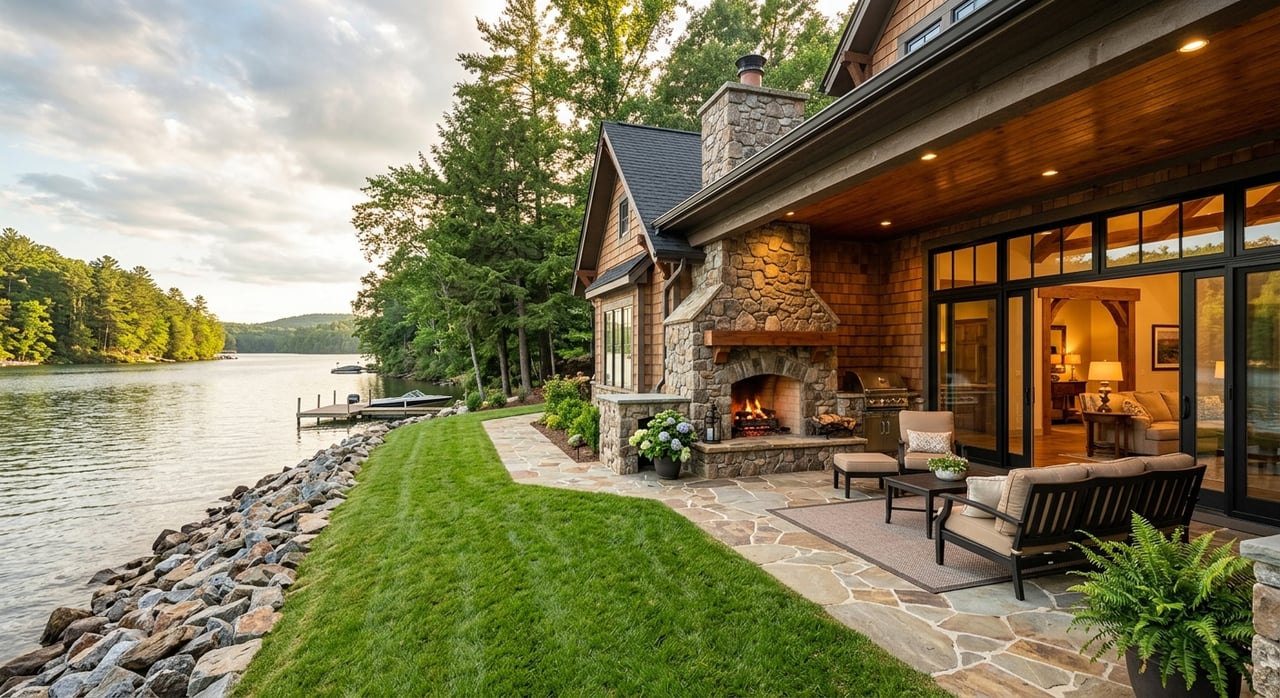
Grand Lake offers a mix of cabins, cottages, lakefront homes, vacation-home-style properties, and amenity-rich resort settings. In many cases, the question is not whether a certain property type exists, but how much upkeep you want and how many conveniences you want nearby.
If you want a simpler ownership experience, amenity-focused areas may be worth a closer look. If you enjoy managing a more private lake property, you may be more open to homes that need a little more involvement.
Areas to Consider Around Grand Lake
Because Grand Lake is large and spread across multiple counties, the experience can change quite a bit from one pocket to another. It helps to think less about the lake as one single market and more as a group of smaller lifestyle areas.
Grove and Honey Creek
This area is a practical choice if you want a more town-centered lake experience. Honey Creek Area at Grand Lake State Park is open year-round and includes a lighted boat ramp, fishing dock, courtesy dock, seasonal pool, picnic areas, showers, and RV and tent sites.
Nearby Grove adds shopping and downtown browsing, and the area hosts the Pelican Festival in October. For buyers who want a broader service base and easy day-to-day convenience, this area often stands out.
Langley, Cherokee, and Pensacola Dam
This part of the lake is a strong fit for buyers who want activity and access. The Cherokee Area includes campgrounds, a lighted boat ramp, a 9-hole golf course, water-sports access, and wildlife viewing.
It is also known for eagle watching from late October through March below Pensacola Dam. If you want a central base with easy boating access and year-round recreation, this area deserves attention.
Disney
Disney is near the flood gates of Pensacola Dam and includes a public boat ramp. It is known for bass fishing and water sports, and it is described as centrally located between Tulsa, Joplin, and Rogers.
For Tulsa-area buyers, that location can be especially appealing. If you want quick metro access without giving up lake recreation and frontage potential, Disney may be a very practical option.
Bernice, Spavinaw, and Twin Bridges
These areas tend to appeal to buyers who want a slower pace. Bernice is on the northwest corner of Grand Lake and is known as the Crappie Capital of the World, while Spavinaw offers a quieter spillway-side setting with camping, swimming, and fishing.
Twin Bridges is described as having a quiet country atmosphere with RV and tent campgrounds and lake huts. If your goal is a more relaxed second-home environment with less resort feel, these areas may be a better match.
Monkey Island and Afton
Monkey Island leans more resort-style and amenity-driven. Shangri-La includes a golf club, marina, sailboat rentals, and fishing-guide services, while Candlewyck Cove offers vacation-home rentals, cottages, cabins, hotel rooms, suites, and lakefront homes with full-time caretakers.
This part of the lake can work well if you want a lower-touch ownership experience. Buyers who value amenities, services, and a more polished resort atmosphere often focus here.
Understand Grand Lake’s Seasonal Rhythm
Grand Lake is strongly seasonal in how many people use it, especially during warmer months. It is widely recognized as one of Oklahoma’s popular summer vacation spots, so your experience may feel very different in July than it does in January.
That said, the lake is not only a summer market. Some facilities stay open year-round, Honey Creek hosts an October festival, and the Cherokee area draws eagle watchers from late October through March.
One resort listing identifies April through October as peak season and November through March as off-season. For you as a buyer, that is a helpful reminder to think about whether you want a home mainly for summer fun, shoulder-season relaxation, or true year-round use.
Budget Beyond the Purchase Price
A second-home budget should go further than the down payment and monthly mortgage. You will want to plan for property taxes, homeowners insurance, possible flood insurance, utilities, maintenance, repairs, HOA fees if applicable, moving costs, and a cash cushion for surprises.
Closing costs matter too. A good working estimate is often about 2% to 5% of the purchase price, so it is wise to treat those expenses as part of the total upfront investment.
Tax treatment may differ from a primary home
In Oklahoma, the homestead exemption requires the owner to occupy the property as a residence on January 1. That means a typical second home at Grand Lake usually will not qualify for that exemption.
This is one reason it is important to estimate carrying costs based on the actual parcel and county, rather than assuming your tax picture will look like your primary residence.
Check Flood Risk Early
Flood risk is one of the most important things to review before closing on a lake property. If a home is in a FEMA Special Flood Hazard Area and your mortgage is from a federally regulated or insured lender, flood insurance is required.
At Grand Lake, this matters because shoreline conditions and access can vary from one property to another. Checking the flood map early can help you avoid surprises with insurance costs or lender requirements later in the process.
Pay Close Attention to Docks and Shoreline Rules
At Grand Lake, dock and shoreline details are not minor issues. GRDA says every floating structure must be permitted, private dock permits are annual, and an existing dock permit must be transferred to a new owner.
GRDA also requires a new electrical certification after each dock transfer. If a property includes a dock, that should be reviewed carefully before closing so you know what is permitted, what needs to transfer, and what may require added work.
There are also rules that affect shoreline improvements. GRDA says most vegetation-management work is limited to August 1 through March 31, and flowage easements are generally areas where structures and fill are not allowed.
In practical terms, if you are buying a place with a dock, shoreline clearing, or past fill work, those items should be verified early. It is much easier to sort those questions out before you buy than after you own the property.
Water Levels Can Affect Daily Use
GRDA says normal reservoir operations fluctuate between 742 and 745 feet PD. While that may sound technical, it can have a real effect on how a property feels and functions.
Changes in lake level can affect water depth, cove access, shoreline feel, and dock convenience. That is why it is smart to review the dock location and lake-level patterns as part of your decision, especially if boating access is a top priority for you.
Remember the Lake Spans Multiple Counties
Because Grand Lake stretches across Craig, Delaware, Mayes, and Ottawa counties, property details can vary by location. Taxes, assessor contacts, and some local services may differ depending on which parcel you choose.
That means two homes that seem similar on the surface may come with different local considerations. A county-by-county review is part of buying smart at Grand Lake.
A Practical Buying Checklist
If you are considering a second home at Grand Lake, keeping the process simple usually leads to better decisions. Focus on the basics first, then confirm the lake-specific details before moving forward.
Here is a practical checklist to use:
- Choose the part of the lake that matches how you want to use the property
- Decide whether you want low-maintenance ownership or a more hands-on property
- Review seasonal patterns and think about when you will realistically use the home
- Estimate full carrying costs, not just mortgage and down payment
- Confirm whether flood insurance may be required
- Verify dock permits, transfer requirements, and electrical certification needs
- Review shoreline restrictions, vegetation rules, and any flowage easement issues
- Check county-specific tax and service details for the parcel
- Talk with local professionals early, including your lender, title company, insurance agent, county assessor, and GRDA permitting contact
Buy With Clarity, Not Guesswork
A second home at Grand Lake can be a wonderful lifestyle investment when the property matches the way you actually want to live and use the lake. The key is balancing the fun side of the decision with the practical side, especially when it comes to location, seasonality, carrying costs, flood considerations, and dock rules.
If you want a steady, informed approach to finding the right fit, working with someone who understands both the Tulsa-area buyer mindset and the Grand Lake lifestyle can make the process feel much clearer. When you’re ready to talk through your options, connect with Mary Lou Doudican.
FAQs
What makes Grand Lake practical for a second home?
- Grand Lake is close enough for many Tulsa-area buyers to use regularly, with the Disney area listed at about 65 miles from Tulsa, making weekend and seasonal use realistic.
Which Grand Lake area is best for amenities and lower-maintenance ownership?
- Monkey Island and Afton often appeal to buyers who want resort-style amenities and a lower-touch ownership experience, with offerings like marina access, golf, rentals, and full-time caretakers in some properties.
What should you know about docks at Grand Lake before buying?
- GRDA says floating structures must be permitted, private dock permits are annual, existing dock permits must transfer to a new owner, and a new electrical certification is required after each dock transfer.
Does a Grand Lake second home qualify for Oklahoma’s homestead exemption?
- Usually no, because Oklahoma’s homestead exemption requires the owner to occupy the property as a residence on January 1, which most second homes do not meet.
Why does flood risk matter when buying at Grand Lake?
- Flood risk can affect insurance and financing, and if a home is in a FEMA Special Flood Hazard Area with a federally regulated or insured lender, flood insurance is required.
How do water levels affect owning a second home at Grand Lake?
- GRDA’s normal operating range of 742 to 745 feet PD can change water depth, cove access, shoreline feel, and dock convenience, so those details should be reviewed before you buy.